WARNING: This product contains nicotine. Nicotine is an addictive chemical.
WARNING: This product contains nicotine. Nicotine is an addictive chemical.

JZVapes에서 판매하는 모든 제품들은 니코틴이 포함되어있습니다. 전자담배는 니코틴 중독을 일으킵니다. 확인 버튼을 누르면 본인이 만 19세 이상임을 증명하며 동의합니다. (캐나다와 대한민국 최소 담배 구매가능 연령)
All products sold at JZVapes contain Nicotine. Nicotine is an addictive chemical. By clicking Enter, you certify that you are over the age of 19, the minimum age required in Canada and South Korea to use vaping products.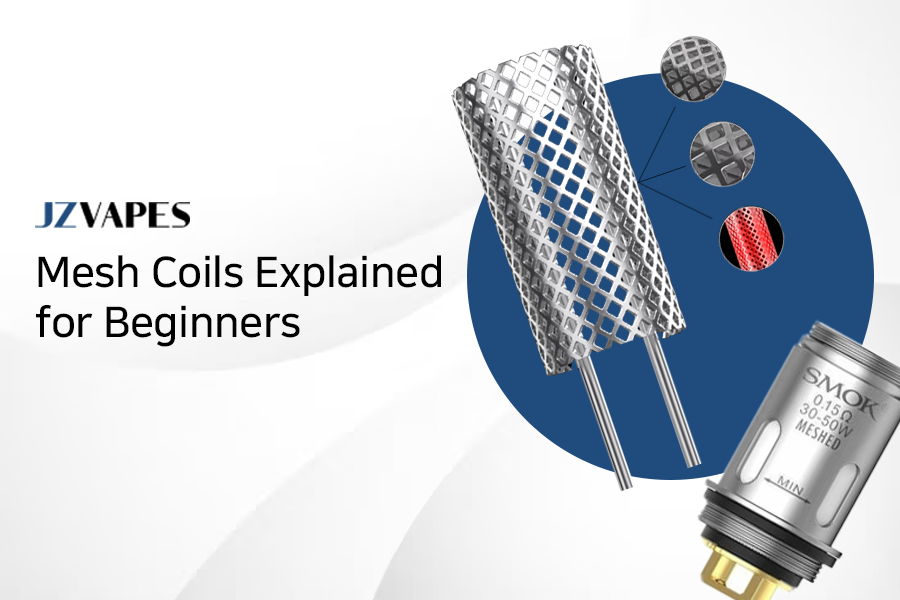

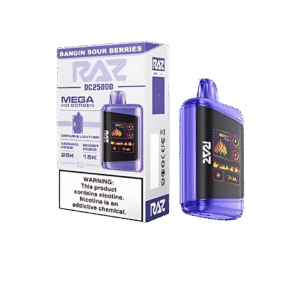
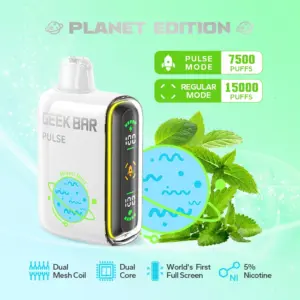
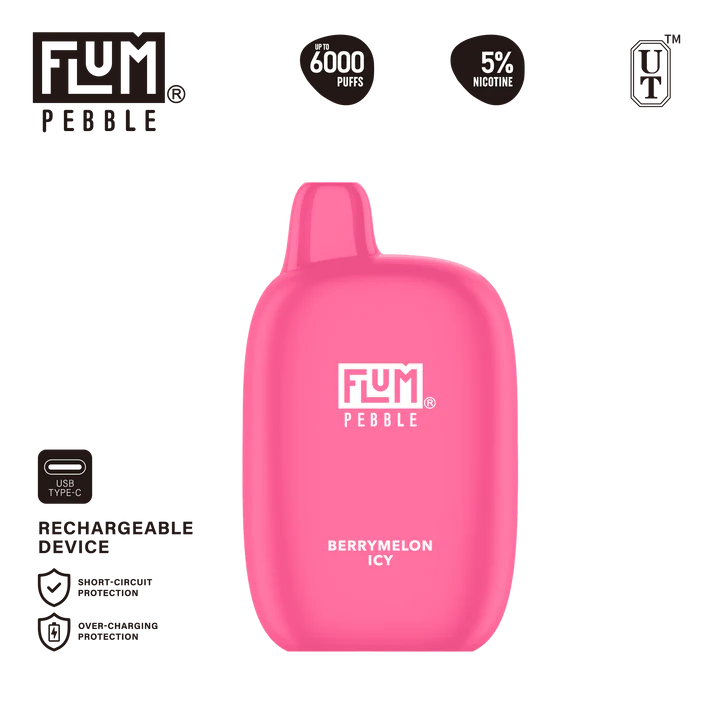
example of mesh coil advertisement
Whether you’re shopping for a new vape or just browsing reviews of the latest vape gear, you’ve probably noticed that mesh coils are always mentioned and advertised everywhere. But what exactly are mesh coils, and what makes them so popular? More importantly, should your next vape tank or pod system feature a mesh coil? We will break it down for you:

normal coil
First, to understand what a mesh coil is, it’s helpful to first grasp how traditional vape coils work. Before mesh coils existed, all vape coils functioned in essentially the same way. In a traditional regular coil, it uses a thin metal wire that’s wound into a spiral shape, when that when it heats up, it vaporized the e-liquid — this is why it’s called a “coil”

mesh coil
On the other hand, mesh coils differ from regular coils because they’re not made from wire at all. Instead, a mesh coil uses a thin strip of mesh—similar to a window screen—that is typically rolled into a tight cylinder and installed vertically to allow for smooth airflow. In some high-end models, multiple mesh strips may be used together to enhance vapor production.
Simply put:
Regular coil uses a spiral wire. Mesh Coils use a sheet of mesh. Both heat up to vaporize e-liquids.
So, which is better?
While both functions the same to vaporize e-liquid, for you as a vaper, this difference can have a significant impact on your experience. We say mesh coils are better and here’s why:

Mesh coils gives better flavour, smoother hit and more vapour.
Does it mean regular coils are useless?

-Cheaper – for users looking for more budget-friendly options
-Better for someone who prefers cigarette-like feeling (tighter & stronger throat hit)
-Suitable for device with lower wattage (as it requires less power usage)
At Jzvapes we carry wide variety of brands that offer mesh coil pod system